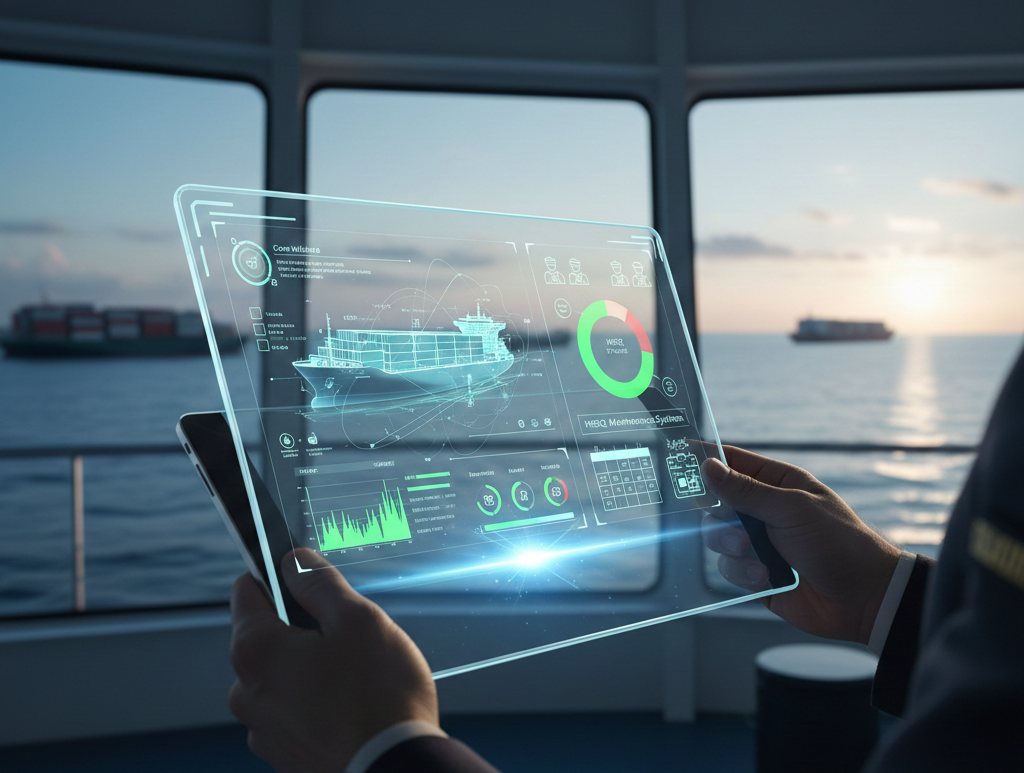
Ship Management Software


Where Maritime Expertise Meets

Next-Gen Technology

Optimizing Maritime Operations: The Ultimate Guide to Ship Management Software

The maritime industry is undergoing a massive digital transformation. As global trade becomes more complex, shipping companies are moving away from fragmented spreadsheets and manual logs toward integrated Ship Management Software.

But what exactly makes a platform effective, and how can it redefine your fleet’s efficiency? 

What is Ship Management Software?

Ship Management Software is a centralized digital ecosystem designed to manage the diverse tasks involved in operating a fleet. From technical maintenance and crew management to procurement and compliance, these platforms provide real-time data visibility across the office and the vessel.

Key Pillars of Modern Fleet Management

  • Planned Maintenance System (PMS): Automates scheduling for repairs and inspections to prevent costly breakdowns.

  • Crew Management: Handles payroll, certifications, training, and rest hour compliance (STCW).

  • Procurement & Inventory: Streamlines the supply chain, ensuring spare parts are available without overstocking.

  • Safety & Quality (HSEQ): Digitalizes safety audits, incident reporting, and ensures compliance with IMO and MARPOL regulations.

Why Integration is the Future

The biggest challenge for ship owners today is “Data Silos”—where the technical team uses one system while the finance team uses another. This leads to errors and delays.

This is where advanced solutions like Matasys Ship Management Software stand out. By offering a unified interface, Matasys ensures that data flows seamlessly between the ship and the shore. Whether it is tracking fuel consumption or managing dry-docking projects, having a single “source of truth” reduces administrative overhead and minimizes human error.

Top Benefits of Switching to a Digital Solution

1. Enhanced Cost Control

By tracking every liter of fuel and every spare part in real-time, companies can identify patterns of waste. Predictive analytics in software like Matasys can alert managers to potential issues before they become expensive failures.

2. Regulatory Compliance (CII & EEXI)

With new environmental regulations focused on carbon intensity, manual reporting is no longer sufficient. Modern software automatically calculates emissions data, ensuring your fleet remains compliant with international standards.

3. Improved Crew Welfare

A streamlined system reduces the “paperwork burden” on officers. When crew management modules are intuitive, it ensures that seafarers are paid on time and their certificates are always up to date, leading to higher retention rates.

Choosing the Right Partner

When selecting a provider, look for a system that is:

  • Cloud-Based: For instant data synchronization.

  • User-Friendly: To ensure high adoption rates among crew members.

  • Scalable: A system that grows as your fleet expands.

Matasys Ship Management Software is a prime example of a platform built with these modern requirements in mind, balancing deep technical functionality with an accessible user experience.


Conclusion

Ship Management Software is no longer a luxury; it is a necessity for staying competitive in a 2026 maritime landscape. By adopting an integrated approach, companies can ensure safer voyages, greener operations, and healthier bottom lines.